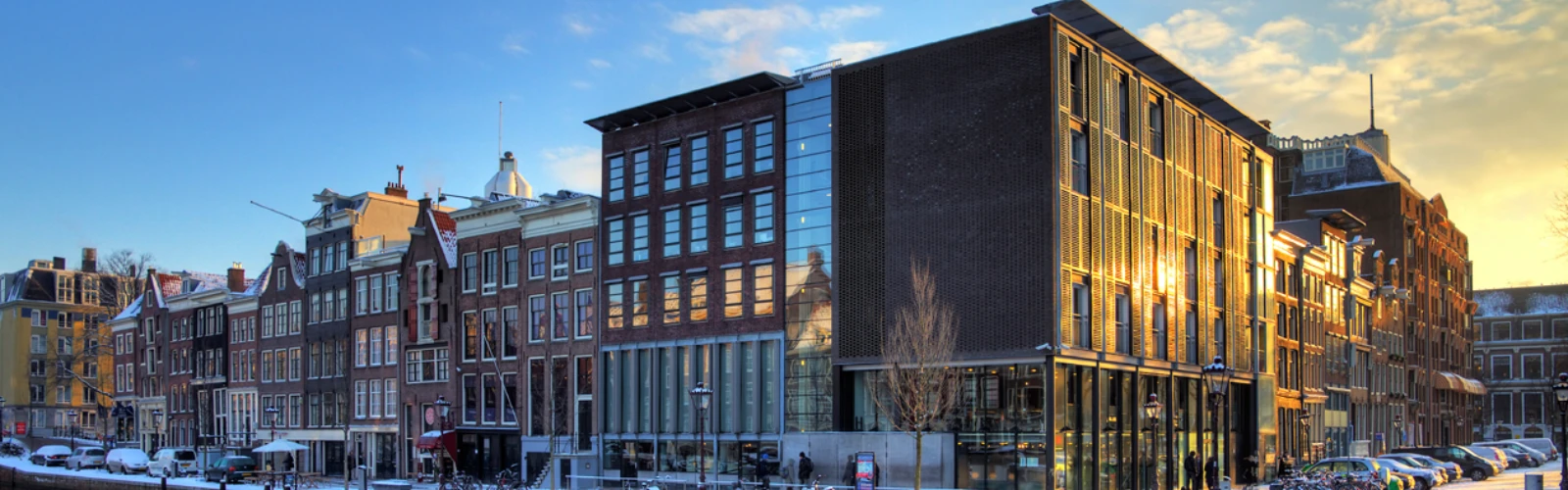
Is the Anne Frank House Worth It? Tips for Visiting:

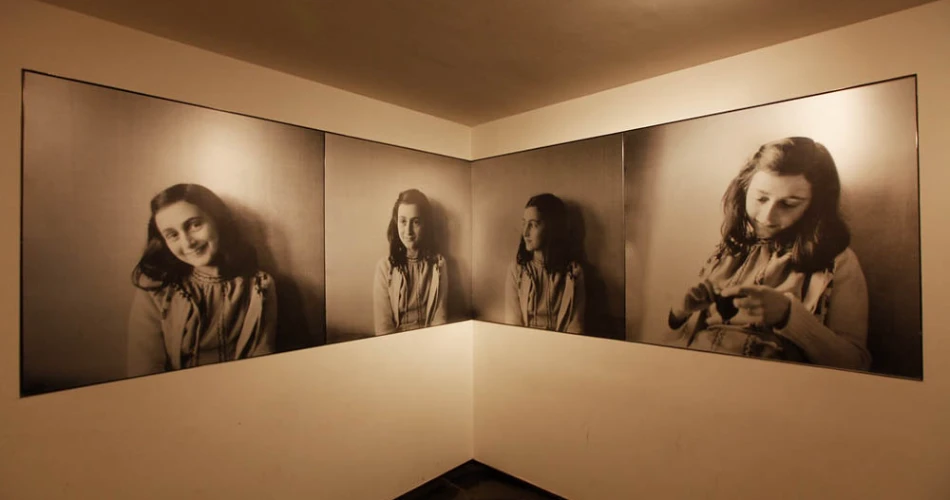
Visiting the Anne Frank House Amsterdam is one of the most emotional and moving experiences during your trip to Amsterdam. This historic museum is situated along the Prinsengracht Canal and preserves the Secret Annex, where Anne Frank, along with her family, hid during World War II. The attraction offers a deep understanding of life under Nazi rule, the horrors of the Holocaust, and Anne’s famous diary that she wrote while hiding.
This blog tells you whether visiting the Anne Frank House is worth it and also shares tips, including information about tickets, timings, rules and regulations, as well as nearby attractions. Keep reading to find out more!
What Is Anne Frank House?
Address:
Westermarkt 20, 1016 GV Amsterdam, Netherlands
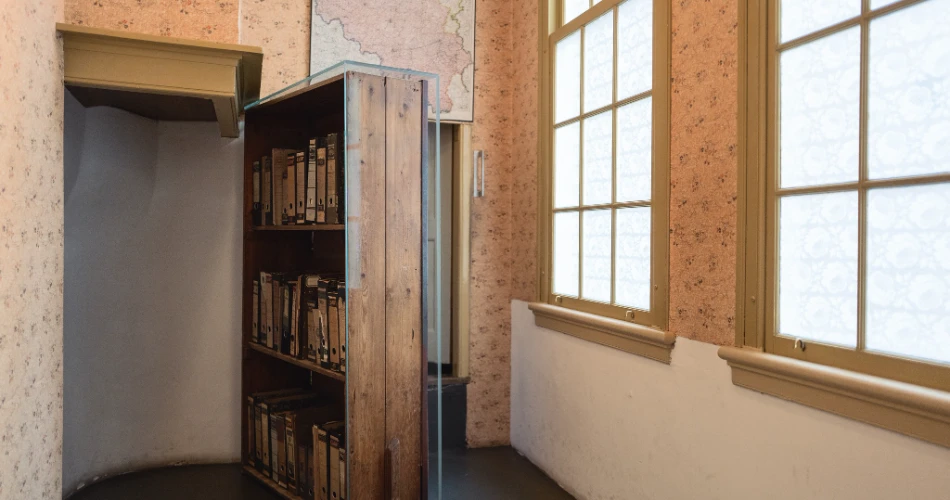
The Anne Frank House is where Anne Frank, who was a Jewish girl born in 1929, spent 25 months hiding during World War II. She lived with her family and four others in the Secret Annex, which was hidden behind a bookcase in Otto Frank’s office, to escape Nazi persecution.
During this time, Anne wrote her famous diary describing fear, daily life, and hope while in hiding. The group relied on helpers like Miep Gies for food and supplies. On 4 August 1944, they were found and arrested. After that, Anne Frank died in a concentration camp, but her father, Otto, survived and later published her diary, which made her a global symbol of courage.
What Will You See There?
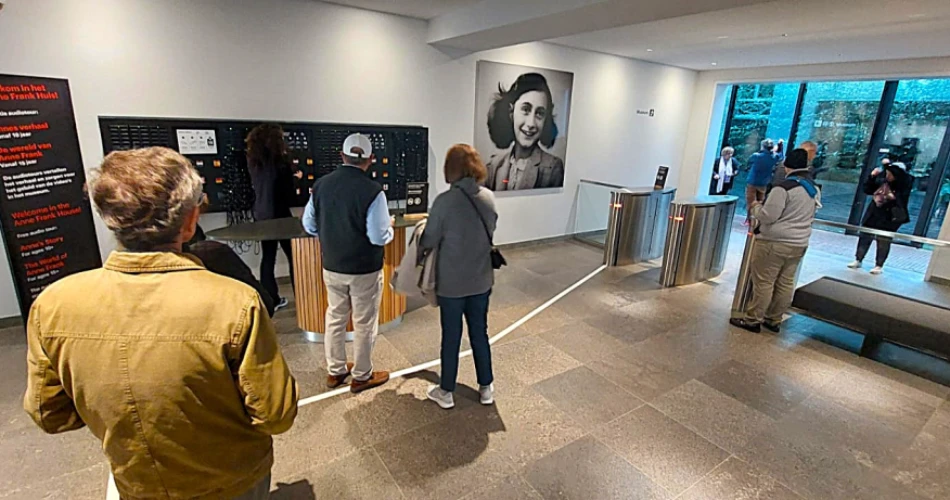
Visitors at the Anne Frank House Amsterdam can start their exploration with the introductory rooms that feature videos, maps, photos, and timelines about Anne Frank, World War II, the Nazi occupation, and Jewish persecution. These rooms tell visitors how Anne and her family went into hiding.
The visit continues into the Secret Annex, where the family lived in silence for 25 months, sharing small spaces, including a kitchen, bathrooms, and beds hidden behind a bookshelf. The space is mostly unfurnished and features photos marking Anne’s room and details of her daily life.
Visitors can also see Anne’s original diary pages, Otto Frank’s belongings, and a scale model of the Annex, helping them understand the terror, day-to-day existence during the Holocaust, and the confinement.
Tips for Visiting the Anne Frank House:
So, what about we give you some good list of tips that will help you in making the most out of your trip? Let’s get in!
Read the Diary of Anne Frank Before Your Visit
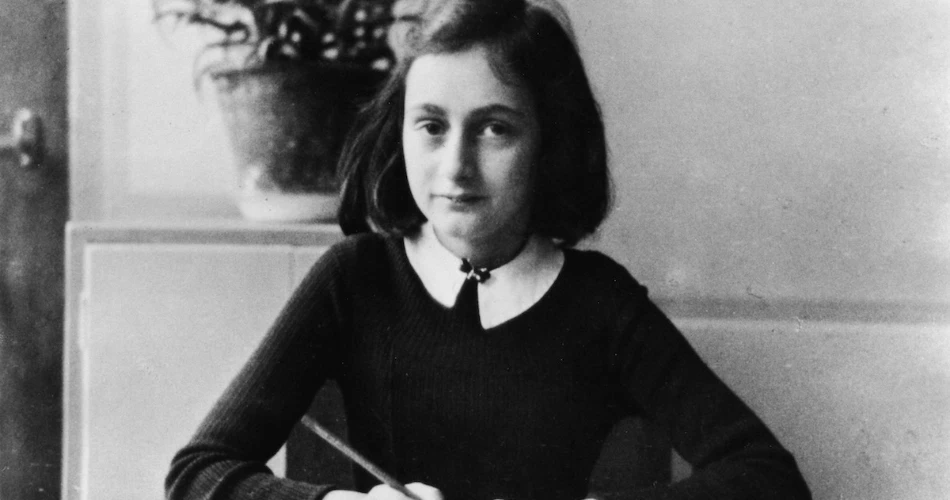
Before going to the Anne Frank House, make sure to read Anne Frank: The Diary of a Young Girl. Anne Frank wrote this diary while hiding in the Secret Annex during the Nazi occupation.
The museum preserves the Annex mostly empty because Otto Frank wanted it left close to its original state after their arrest in 1944. Reading the diary first will help make the real space more meaningful, as you can connect the written moments with actual rooms, objects, and atmosphere inside the house.
Tickets in Advance
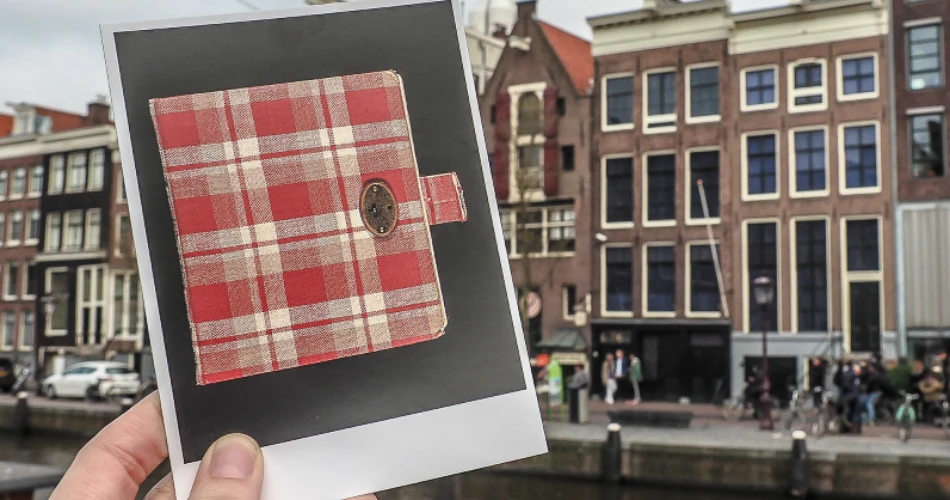
Book your tickets for the Anne Frank House in advance because entry is only available through official online timed slots. No tickets are sold at the museum or through any third parties, and the capacity is strictly limited due to the small Secret Annex space.
All tickets are released about six weeks in advance, every Tuesday at 10:00 AM, and often sell out on the same day. Once the tickets are sold out, no further tickets are offered.
Arrive Early
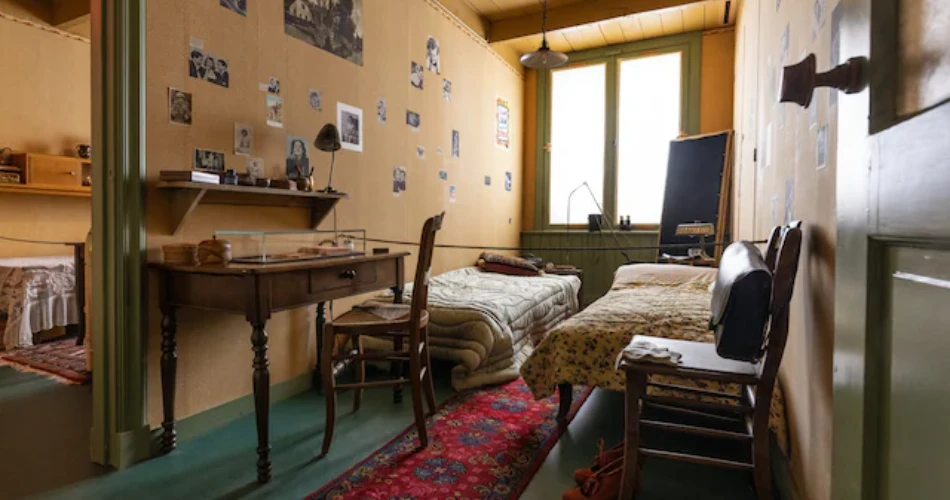
Arrive early for your visit to the House because entry is strictly regulated by timed tickets and limited capacity. You must arrive before your designated time slot, as late arrivals are not allowed.
Even with a valid ticket, you may still have to wait in line because visitors are admitted in small groups to avoid overcrowding in the Secret Annex. You cannot enter earlier than your slot, but arriving 15 to 30 minutes early lets you join the correct line and be among the first to go in when your time begins.
Be Prepared to Leave Your Larger Bags in Storage
The Anne Frank House is a small museum with strict entry rules, so be prepared to store your larger bags. Only items the size of a sheet of paper are permitted inside, while backpacks, suitcases, and bigger bags must be kept in the secure cloakroom.
The storage system is well organized with ticket tags and is regarded as secure. It is also recommended to travel light or leave your big luggage at your hotel to prevent delays or missing your scheduled time.
Photography Rules
Photography is not allowed inside the Anne Frank House. This regulation is made to protect the fragile historic area of the Secret Annex and to maintain a respectful environment for visitors.
All phones and cameras have to be kept in storage, and no pictures or videos may be taken inside during the tour. However, the exterior of the building can be photographed, but once inside, the experience is intended to be observed directly rather than recorded.
Accessibility
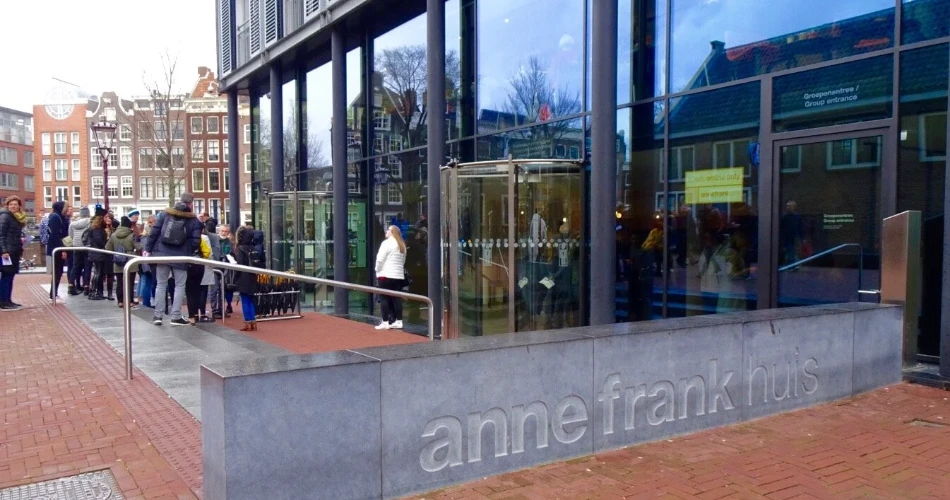
The Anne Frank House has limited accessibility because of its historic structure. The Secret Annex was originally a hidden attic, and it can be reached through an extremely small and steep staircase.
Visitors have to climb two tight staircases and move through confined areas where Anne Frank, her family, and other people lived for over two years. Moreover, because of this layout, the Secret Annex is not wheelchair accessible.
However, the modern museum section and café are wheelchair accessible
Visit Jordaan After Your Visit
Address:
Jordaan District, Amsterdam, Netherlands
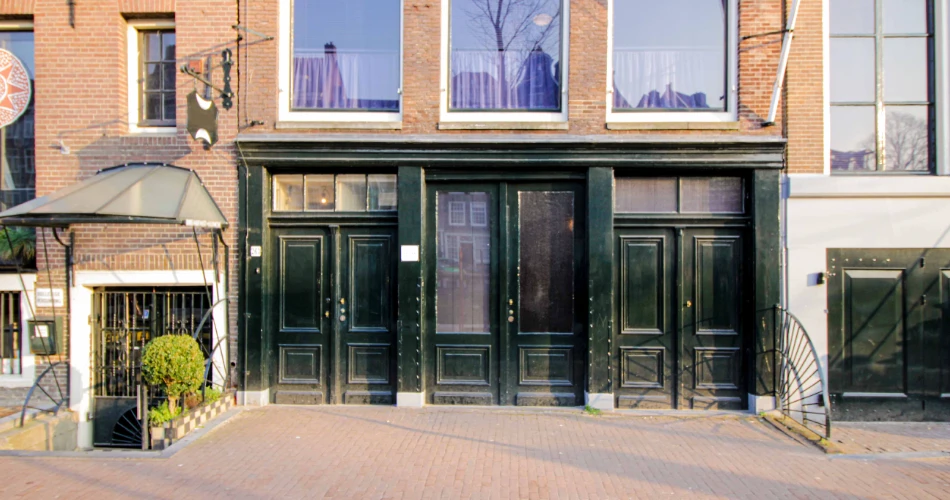
After exploring the Anne Frank House, take some time to explore the nearby Jordaan area, which is a 17th-century canal neighborhood known for its winding lanes, old buildings, and laid-back atmosphere.
It provides a combination of local culture, shops, cafés, and views of the canal. You can explore well-known locations like Winkel 43 for apple pie, classic brown cafés to have beverages, and the Lindengracht Market for fresh fruits and cheese.
You can also take part in a walking tour to explore the history of the region.
Visit the Bookstore
Address:
Inside Anne Frank House, Westermarkt 20, 1016 GV Amsterdam, Netherlands
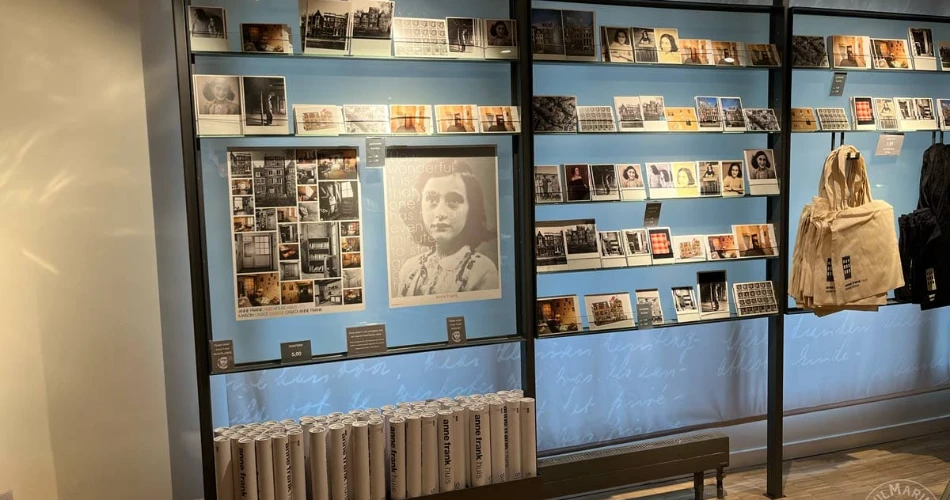
Make sure to visit the museum bookstore at the Anne Frank House because it offers unique products that are not available anywhere else.
It features different editions and translations of The Diary of Anne Frank, mostly from Dutch to English, along with books about World War II and the Holocaust. You can also find unique souvenirs to take back home, including a detailed pop-up model of the Secret Annex.
Book your stay at Hotel Nicolaas Witsen and enjoy boutique comfort in central Amsterdam near canals, museums, and iconic city attractions.

About Author
Alex is a successful travel blogger; he gives great tips to travel enthusiasts regarding how they can save money on their vacations. He's been to 40 + countries, and he mainly focuses on how to cut down costs during travel.